
AI & process
How we use AI in hiring (and where we deliberately don't)
By Kelly Robinson · June 9, 2026 · 4 min read
AI handles our scheduling, research and reporting. It does not decide who gets an interview. Here is where we draw the line and why it matters for your candidates.
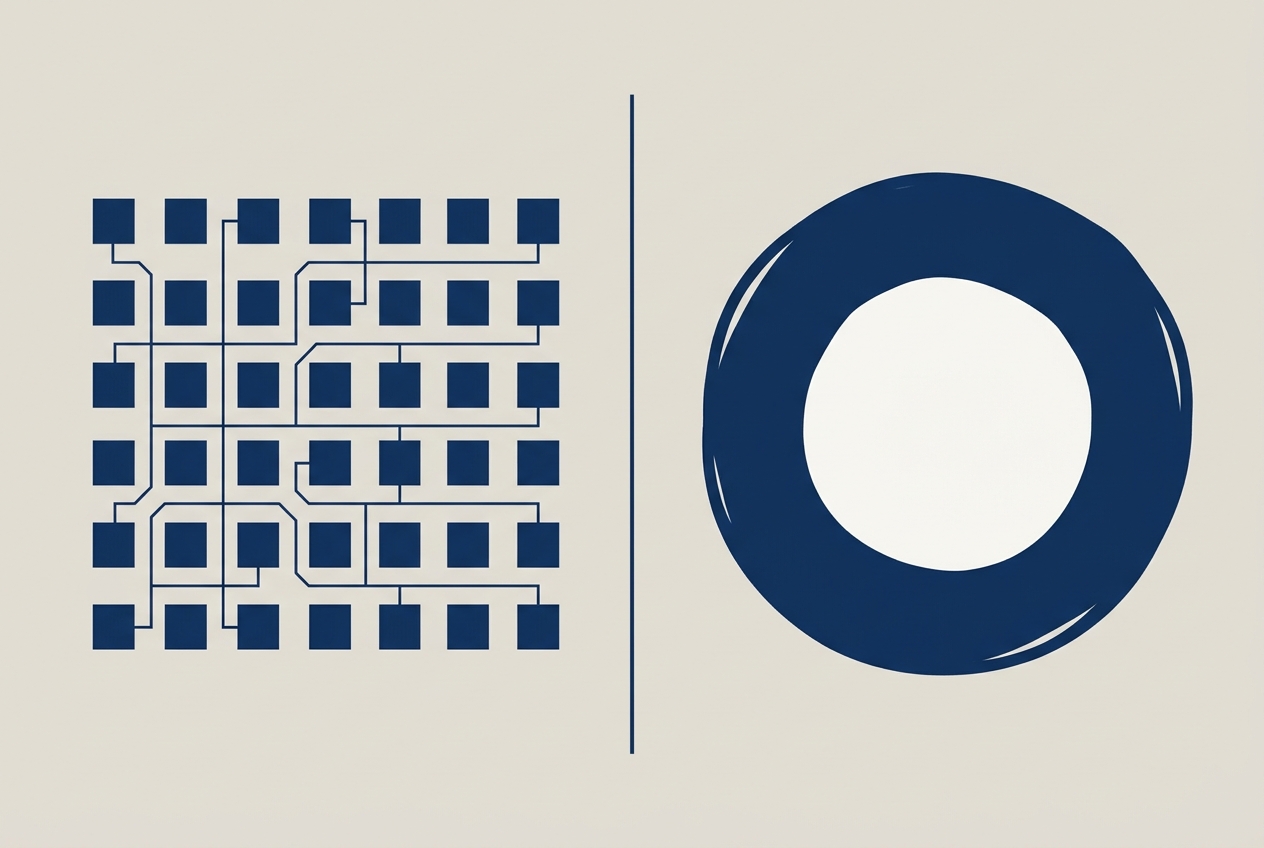
Every recruiting firm now says it "uses AI." Fewer will tell you exactly what that means. Since clients and candidates increasingly ask, and since several states and cities now regulate automated hiring tools, we think it is worth being specific.
Where AI does the work
We use AI to automate the administrative layer of recruiting, the work that eats recruiter hours without adding judgment:
- Scheduling and rescheduling interviews across time zones and calendars.
- Market and sourcing research: mapping companies, titles and compensation ranges before a search kicks off.
- Pipeline hygiene: keeping applicant tracking systems current, drafting status updates, and flagging candidates who have gone quiet.
- Documentation and reporting: interview notes, weekly client updates, and the metrics we share with hiring managers.
The payoff is time. Every hour we are not spending on admin is an hour a recruiter spends talking to a hiring manager about what "senior" actually means on their team, or walking a candidate through a counter-offer.
Where a person always decides
We do not use AI to screen out candidates, rank résumés, or decide who advances. Every candidate who reaches your team has been reviewed and interviewed by a PKR recruiter who can explain why they are a fit. That is partly a compliance choice (automated decision tools carry real legal exposure in a growing list of jurisdictions) and mostly a quality choice. The best candidates rarely look best on paper.
What this means for you
- Faster response times. Candidates hear back in hours, not weeks, which protects your employer brand.
- Cleaner data. You get accurate time-to-fill, source-of-hire and pipeline numbers on every search.
- A defensible process. If anyone asks how hiring decisions were made, the answer is always "a person, with documentation."
If you are evaluating recruiting partners, ask them the same two questions: what does your AI do, and what does it never do? The answers tell you a lot about how your candidates will be treated.
Was this useful?
Want to talk this through for your team?
A no-pressure 30 minutes with Kelly.